


Introduction
Flexible PCB cost is the result of a defined product, a manufacturing route and a commercial scope. A quotation for a simple single-layer tail, a multilayer dynamic flex and a rigid-flex assembly may all be described as an FPC price, yet the material use, process steps, inspection plan and supplier risk are different.
For a B2B buyer, the useful question is not “What is the lowest price per piece?” It is “What construction, volume, quality evidence and delivery scope does each price include?” When those inputs are missing, suppliers fill the gaps with different assumptions. The quotations then look comparable while describing different products.
This guide explains the main flex PCB cost drivers and shows how engineering, purchasing and quality teams can prepare a normalized RFQ. Use it with the flexible PCB design guidelines and the flexible PCB materials guide before asking suppliers to price a released design.
Start with a comparable quotation scope
Begin by defining what the supplier must deliver. State whether the request covers bare flex circuits, rigid-flex boards, component assembly, connector attachment, programming, functional testing, packaging or a complete module. Separate optional work from the base scope so a buyer can see which block changes the total.
Record the prototype quantity, expected production quantity and likely release schedule. A prototype price includes setup and learning that may not repeat in production. A production quote may assume panel quantities, material purchasing and process controls that are unrealistic for five pieces. Asking one number to represent both stages creates confusion.
Also state the quote currency, Incoterm, delivery destination, packaging expectation, tax treatment where applicable and validity period. These items do not change the circuit design, but they change the commercial comparison. A normalized quotation should show unit price, non-recurring charges and logistics as separate lines rather than hiding every cost inside one piece price.
Flex, rigid-flex and assembly scope change the cost structure
A bare flexible circuit uses a flexible dielectric, copper, coverlay and any local reinforcement specified by the design. A rigid-flex circuit adds rigid sections, additional bonding interfaces and transition-control requirements. An assembled flex adds components, soldering or bonding, fixtures, inspection and material traceability for the purchased parts. These are different manufacturing scopes.
Do not compare a rigid-flex quote directly with a flex-plus-connector concept until the complete system is defined. The lower board price may require connectors, cable assembly, extra enclosure space and additional assembly operations. The rigid-flex option may reduce those interfaces but introduce a more complex fabrication route. Compare the installed system, qualification plan and service risk, not only the bare-board line item.
The same rule applies to supplier responsibility. If the buyer supplies components, define incoming inspection and shortage handling. If the fabricator sources components, identify approved manufacturers, alternates and traceability requirements. The quotation should show which party carries inventory, obsolescence and substitution risk.
Layer count and stack-up define process complexity
Layer count affects more than the amount of copper. Additional conductive layers can require extra imaging, lamination, drilling, plating, registration control and electrical test preparation. A multilayer flex or rigid-flex stack may also need bondply, controlled coverlay openings and transition rules that are absent from a simple single-layer tail.
Ask suppliers to quote against the same released stack-up. If one supplier assumes an adhesive-based core and another assumes an adhesiveless construction, the resulting prices reflect different material systems. The companion flexible PCB materials and stack-up guide explains how copper, dielectric, adhesive, coverlay and stiffeners work together.
Finished thickness should be defined by zone when connectors, components or stiffeners create different local builds. A quote based only on nominal base laminate thickness may exclude the interface control needed in the finished part. Clear zone drawings reduce the contingency a supplier must add for unresolved thickness and tolerance questions.
Panel utilization, outline and tooling affect material yield
Flexible circuits are processed in manufacturing panels, so the usable pieces per panel influence material and process cost. A long irregular outline, large keep-out area or poor nesting direction can consume more panel space than the finished circuit area suggests. Array rails, coupons, tooling holes and process margins also occupy space.
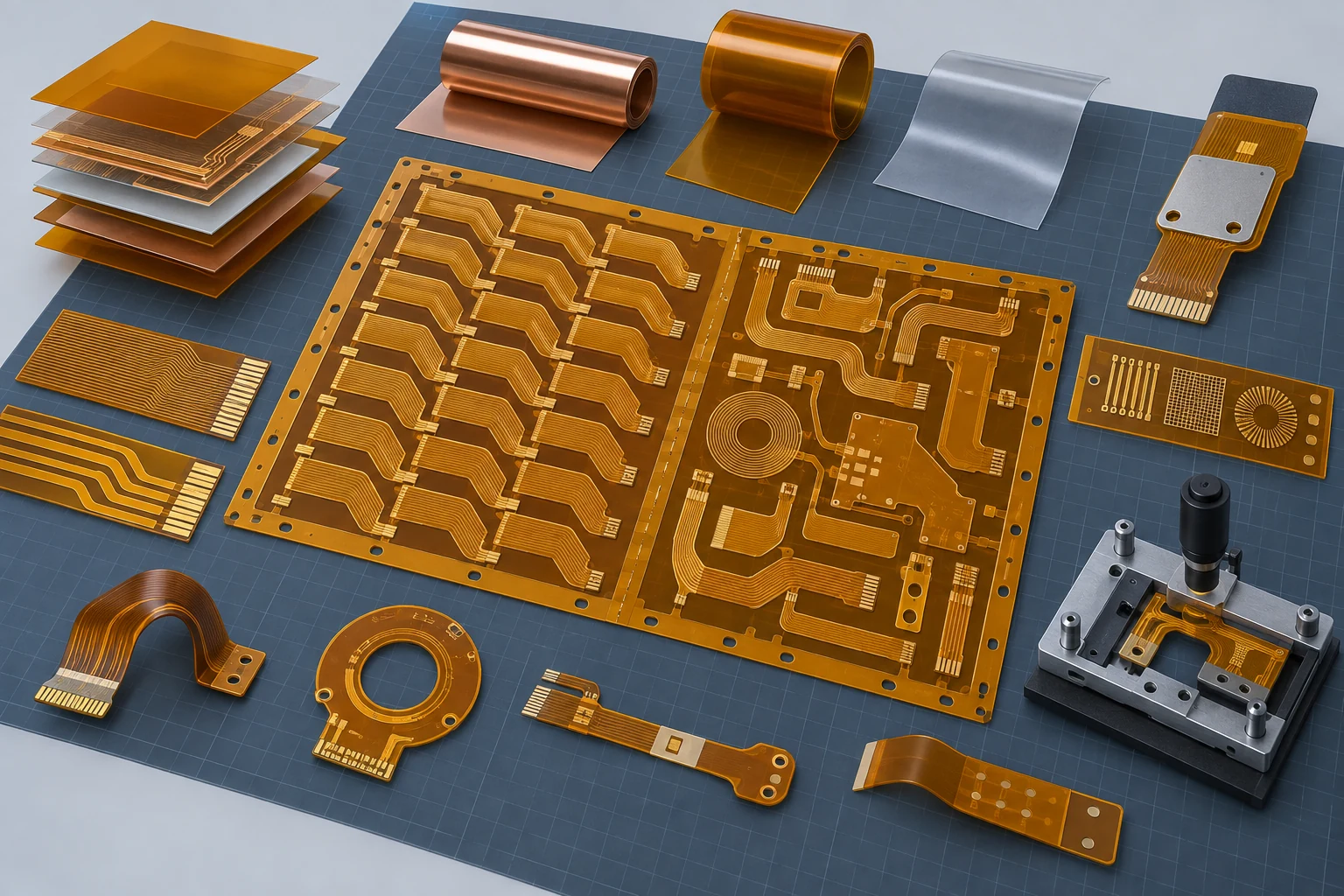
Request the proposed panel quantity and any design changes that could improve nesting without changing the installed geometry. Moving a breakaway tab, standardizing an array or rotating a part may improve utilization, but changes near the bend, connector or component zone still require engineering review. Material efficiency should not override functional requirements.
Non-recurring charges may cover tooling, test fixtures, programming or special inspection gauges. Ask which charges are one-time, which repeat after a revision and which are included in the unit price. This makes later engineering changes easier to evaluate.
Fine features, vias and tolerances change process margin
Minimum trace width and spacing, small holes, dense via fields and tight annular rings can reduce process margin. The important input is not the smallest feature printed anywhere in a capability table; it is the combination of features used across the design and the tolerance required after fabrication.
Identify laser-drilled microvias, blind or buried vias, via-in-pad structures and plated features separately. Each may introduce dedicated equipment, additional process steps or inspection requirements. Keep vias and plated features out of active bend regions unless the construction has been designed and validated for that duty.
Review tolerances according to function. A connector contact zone, stiffener thickness or critical outline feature may need tight control, while a non-interface edge can accept a wider band. Applying the tightest tolerance to every dimension can increase inspection and yield risk without improving the product. A drawing should distinguish critical-to-function characteristics from reference dimensions.
Materials, copper, coverlay and stiffeners shape the quote
The material system affects availability, processing and finished behavior. Copper type and thickness, dielectric film, adhesive or adhesiveless laminate, coverlay, bondply and local stiffeners should be named or controlled by an approved performance basis. A broad instruction such as “polyimide FPC” leaves too much room for different assumptions.
Special grades, unusual thicknesses or restricted approved-vendor lists can change purchasing quantities and lead time. If equivalents are allowed, define which properties must remain comparable and what approval evidence is required. This gives suppliers a controlled way to propose an available material without making an undocumented substitution.
Stiffeners are local engineered parts of the stack. Their material, thickness, outline, bonding method and registration all affect fabrication. Metal reinforcement, pressure-sensitive adhesive, shielding film or heat-spreading features should be itemized instead of grouped under “standard stiffener.” Buyers can then see which requirement creates the quotation difference.
Surface finish, shielding and assembly add separate cost blocks
Surface finish should follow the contact and assembly function. Connector fingers, wire-bond areas, soldered pads and exposed contacts may not use the same finish or plating control. Specify the finish, thickness requirement where critical and any selective plating zones. A generic finish note can lead to different supplier interpretations.
Electromagnetic shielding, conductive adhesive, grounding features and protective films add material and process steps. Define the coverage area, grounding method, openings and acceptance criteria. Avoid requesting a shielding layer only because a previous design used one; connect it to the product's electrical requirement and verification plan.
For an assembled flex, the BOM, component package, placement density, soldering or bonding process and test scope form another cost block. Fine-pitch parts, mixed technologies, customer-supplied components and low-quantity manual operations should be visible in the quote. If a complete assembly is required, use the {ilink('https://fpc-tech.com/oem/', 'Teleconix OEM and ODM handoff process')} to organize fabrication, sourcing and assembly responsibilities.
Quantity, prototype stage and yield assumptions matter
Order quantity changes how setup, panel processing and purchasing are spread across finished pieces. Low-volume prototypes carry a larger share of engineering preparation and setup. Production volumes may improve utilization of those fixed activities, but they also require stable drawings, approved materials and repeatable inspection.
Ask for separate prototype, pilot and production price breaks using the same revision and scope. The supplier should state minimum order or panel assumptions instead of presenting an unexplained unit-price ladder. Buyers should also distinguish annual forecast from each release quantity because material commitments and scheduling usually follow actual releases.
Yield is a result of design margin, material behavior, process capability and inspection criteria. It should not be treated as a hidden percentage negotiated in isolation. When a difficult feature drives risk, request a DFM proposal that identifies the feature and the controlled alternative. A documented design change is more useful than a temporary discount that leaves the underlying yield risk unchanged.
Quality, testing and documentation should be priced visibly
Electrical test, dimensional inspection and visual acceptance are part of the delivered product. State whether every circuit requires continuity and isolation testing, which dimensions need reports, and whether coupons or cross-sections are needed. Special fixtures, functional tests or customer-specific report formats should be separate quotation items.
Traceability can include material lot, traveler, inspection record, test result and revision history. Define the record-retention and certificate requirements that apply to the project. Do not copy medical, automotive or aerospace documentation into a general industrial RFQ unless the product and purchasing policy actually require it.
Reference the applicable document and revision when using an industry standard. IPC lists flex and rigid-flex design guidance within its design standards resources and maintains a document revision table. The responsible engineering and quality teams still need to define the clauses, class or acceptance basis used for the specific project.
Normalize supplier quotations before comparing unit price
A useful comparison table places the same technical and commercial inputs beside every supplier response. Mark unknown items and request clarification before ranking suppliers. A lower number that excludes tooling, testing or approved material is not a lower price for the same product.
| Comparison item | Buyer baseline | Supplier response to record |
|---|---|---|
| Construction | Flex or rigid-flex, layer count and released stack-up | Proposed materials, copper basis and finished thickness |
| Quantity | Prototype, pilot and production release quantities | Panel quantity, MOQ and price breaks |
| Features | Critical trace, via, outline and tolerance requirements | Exceptions, DFM proposals and tooling assumptions |
| Quality | Inspection, electrical test and documentation scope | Included reports, fixtures and non-recurring charges |
| Commercial | Currency, Incoterm, destination and packaging | Unit price, setup, logistics and validity |
| Change control | Approval route for materials and revisions | Traceability and notification method |
Record open assumptions beside the price instead of resolving them through email fragments that are later separated from the drawing. The final purchase package should link the accepted quotation to one controlled revision.
Reduce flexible PCB cost through controlled design choices
Cost reduction starts by removing requirements that do not support the installed product. Review whether every layer, tolerance, plating zone, stiffener and report has a defined function. Standardize materials and thicknesses where the application allows, and ask the supplier which changes improve panel utilization or process margin.
Protect the bend and interface requirements while simplifying other zones. A wider tolerance on a non-critical outline may help, while changing copper, coverlay or support at the active bend may create a reliability risk. Use the flex PCB bend radius guide to keep motion and support conditions visible during value engineering.
Evaluate design changes through total landed cost. A connector, reinforcement or test may add visible board cost but reduce assembly labor, field failures or inspection at the next operation. State the hypothesis, build representative samples and approve the result before applying it to production.
Track cost changes across engineering revisions
A quotation changes for a reason. Keep a short change log that links each price revision to the drawing revision, quantity, material proposal and scope change. Record whether the difference comes from geometry, a new test requirement, component sourcing, delivery terms or a supplier correction. This prevents teams from comparing a current design with an obsolete price.
When a supplier recommends a lower-cost alternative, capture the exact before-and-after construction and the evidence required for approval. Engineering should decide whether the change needs only a drawing review, a dimensional sample, an assembly trial or a broader qualification. Purchasing can then negotiate from an approved option instead of treating an unverified proposal as an equivalent product.
After the prototype is accepted, establish a production baseline. Future changes to materials, tooling, panelization or inspection should reference that baseline and follow the agreed notification route. A cost-reduction project is easier to audit when the approved technical decision and the commercial effect are stored together.
Avoid common quotation mistakes
One mistake is sending only Gerber files. Fabrication data may show copper geometry, but it does not fully define the stack-up, material, coverlay, stiffeners, finish, bend duty, critical tolerances or acceptance plan. Suppliers then quote different assumptions.
Another mistake is asking for a target price before identifying the cost driver. A target can guide a design review, but it cannot replace the technical scope. Ask suppliers to show the feature, material or service that creates the difference and to return a controlled alternative.
Buyers also compare prototype prices with production prices or include tooling in one supplier's unit price and exclude it from another. Keep recurring and non-recurring charges separate. Finally, avoid choosing a supplier from a spreadsheet alone. Review the proposed construction, exceptions, change-control process and sample evidence with engineering and quality before approval.
Build an RFQ package that supports a stable price
A stable RFQ package contains the current fabrication data, dimensioned drawing, controlled stack-up, coverlay and stiffener details, surface finish, bend or formed-state drawing, critical characteristics, test scope, quality documents, forecast and release quantities. Add the BOM and assembly drawing when components are included.
Use one revision identifier across every file. List open questions in a separate register and require suppliers to return their assumptions and exceptions. When the design changes, issue a new package and ask which tooling, material or validation items are affected. This preserves the reason for the price change.
The result is a quotation that purchasing can compare and engineering can defend. It also creates a cleaner path from prototype to production because the approved construction, evidence and commercial scope remain connected.
Prepare the files behind a comparable price with the flexible PCB RFQ file preparation guide. It covers the package manifest, fabrication and assembly data, open technical questions and revision acknowledgement.
Related Products
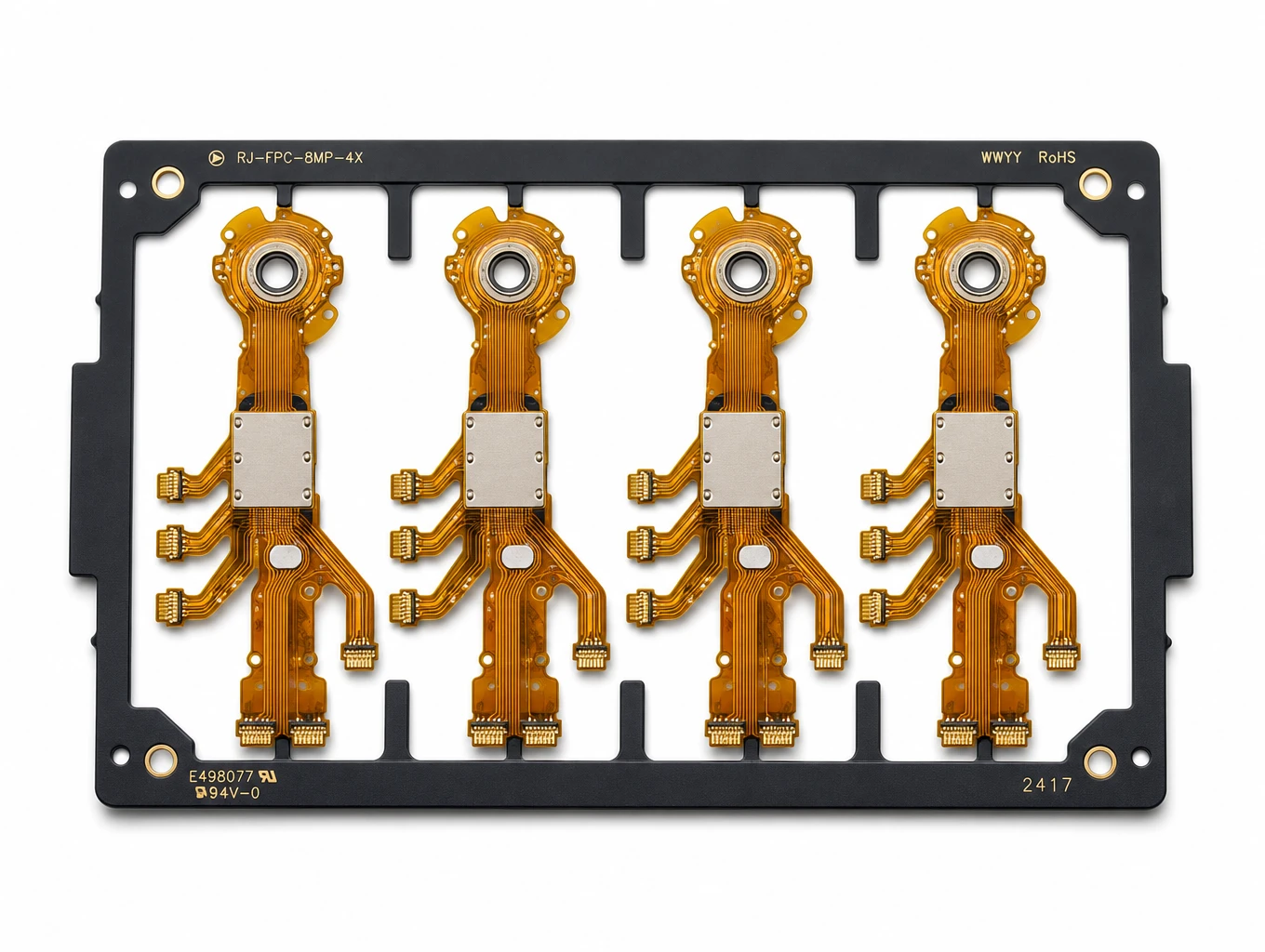
Multi-Branch Humanoid Robotic Joint FPC
Model: TLX-ROB-JNT01
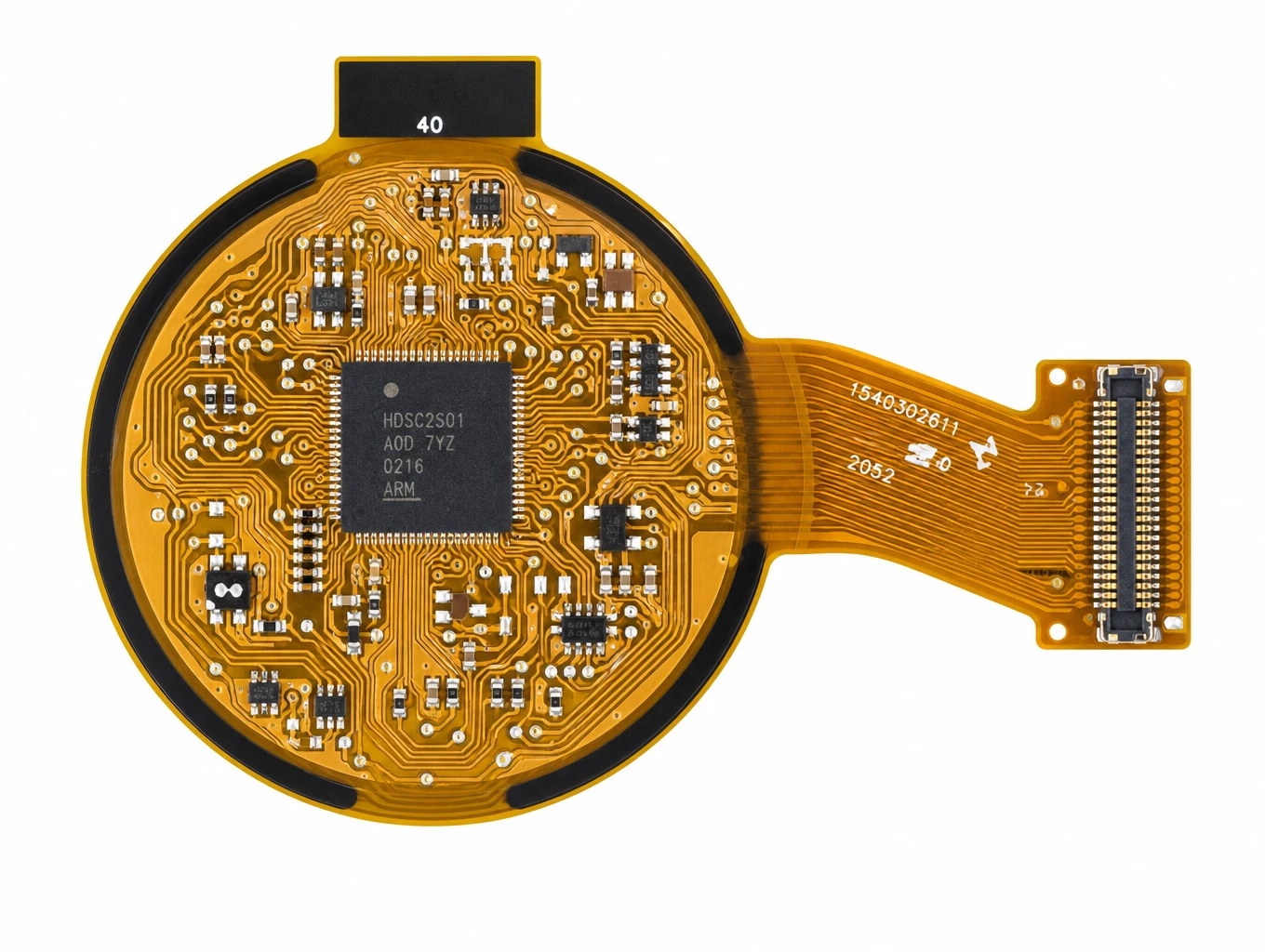
Wearable Smartwatch & Round AMOLED FPC
Model: TLX-DFPC-WEAR04
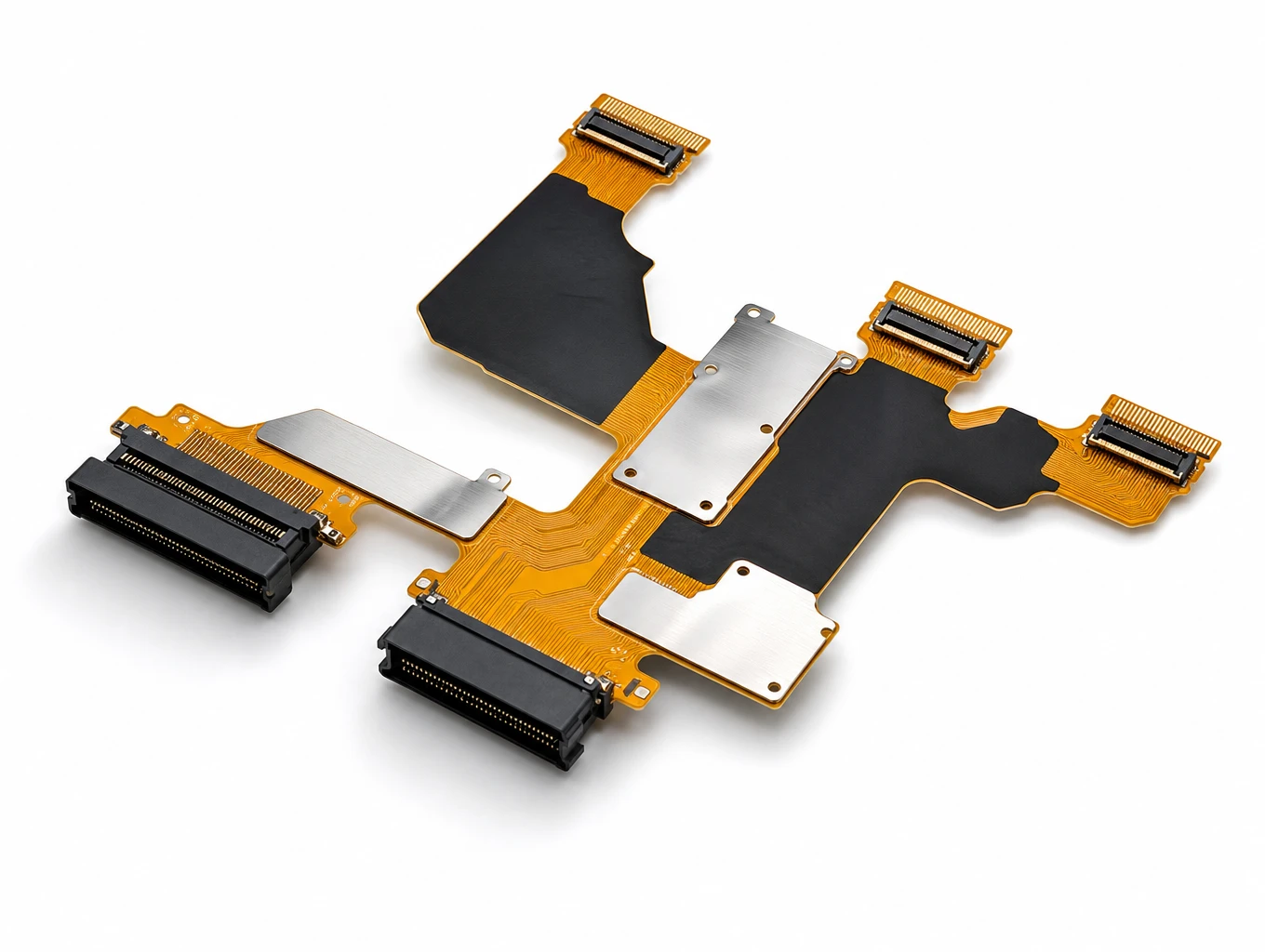
Automotive Curved Cockpit Display FPC
Model: TLX-DFPC-AUTO03
Related Solutions

AI & Robotics & Special Industrial FPC
Flexible circuits for robotic joints, vision sensors, actuators and industrial interfaces. Match the circuit route to the motion, electrical connections and enclosure of your machine.
Explore Solutions
Smart Automotive Electronics FPC
Automotive FPC products for battery monitoring, ADAS cameras, radar, cockpit displays, steering controls and LED lighting. Select a starting configuration by module function and installation needs.
Explore Solutions
Display FPC
Display FPC products for OLED, AMOLED, micro-LED and TFT-LCD modules in handheld, wearable, automotive and industrial devices. Review the display interface, connector and installed flex shape together.
Explore Solutions AI & Robotics & Special Industrial FPC
Flexible circuits for robotic joints, vision sensors, actuators and industrial interfaces. Match the circuit route to the motion, electrical connections and enclosure of your machine.
Explore Solutions Smart Automotive Electronics FPC
Automotive FPC products for battery monitoring, ADAS cameras, radar, cockpit displays, steering controls and LED lighting. Select a starting configuration by module function and installation needs.
Explore Solutions Display FPC
Display FPC products for OLED, AMOLED, micro-LED and TFT-LCD modules in handheld, wearable, automotive and industrial devices. Review the display interface, connector and installed flex shape together.
Explore SolutionsFrequently Asked Questions
Conclusion: compare scope before comparing flexible PCB cost
Validate the quoted process, inspection scope and delivered evidence with the FPC manufacturing process and quality control guide.